

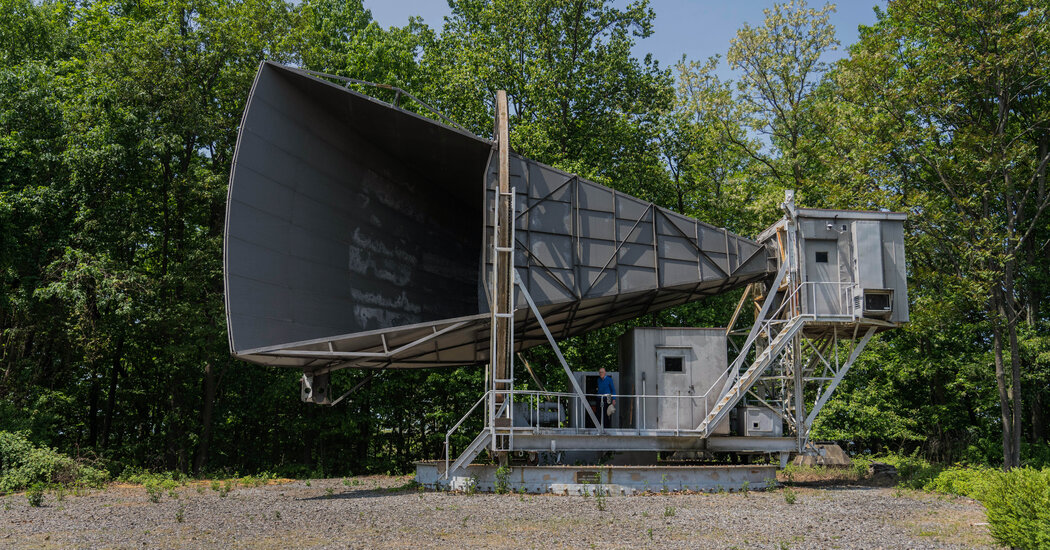
A few miles away, Robert Dicke, a physicist at Princeton, and his students had begun looking into the conditions under which the universe could have begun, if indeed it had a beginning. They concluded that any such Big Bang must have been hot enough to sustain thermonuclear reactions, at millions of degrees, in order to synthesize heavy elements from primordial hydrogen.
That energy should still be around, they realized. But as the universe expanded, the primeval fireball would have cooled to a few kelvin above absolute zero — which, they calculated, would put the cosmic radiation in the microwave region of the electromagnetic spectrum. (The group did not know, or had forgotten, that the same calculation had been made 20 years earlier by the physicist George Gamow and his collaborators at George Washington University.)
Dr. Dicke assigned two graduate students — David Wilkinson, a gifted instrumentalist, and James Peebles, a theorist — to try to detect these microwaves. As the group was meeting to decide on a plan of action, the phone rang. It was Dr. Penzias. When Dr. Dicke hung up, he turned to his team. “Boys, we’ve just been scooped,” he said.
The two teams met and wrote a pair of papers, which were published back-to-back in Astrophysical Journal. The Bell Labs group described the radio noise, and the Princeton group proposed that it could be leftover heat from the Big Bang — “probably each side thinking, Well, what we’ve done is correct but the other may not be,” Dr. Wilson said.
“I think both Arno and I wanted to leave open the idea that there was some other source of this noise,” he added. “But, of course, that didn’t work out.”
24World Media does not take any responsibility of the information you see on this page. The content this page contains is from independent third-party content provider. If you have any concerns regarding the content, please free to write us here: contact@24worldmedia.com

Common Mistakes When Using Athletic Field Tarps

High-Performance Diesel Truck Upgrades You Should Consider

Warehouse Optimization Tips To Improve Performance

Fire Hazards in Daily Life: The Most Common Ignition Sources
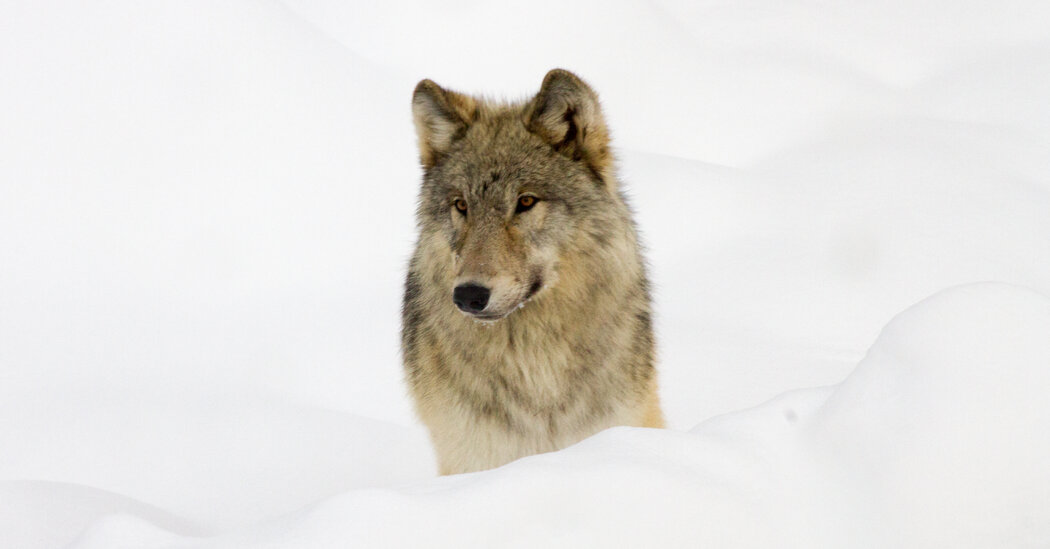
Yellowstone’s Wolves: A Debate Over Their Role in the Park’s Ecosystem

Earth Day 2024: A Look at 3 Places Adapting Quickly to Fight Climate Change

Millions of Girls in Africa Will Miss HPV Shots After Merck Production Problem
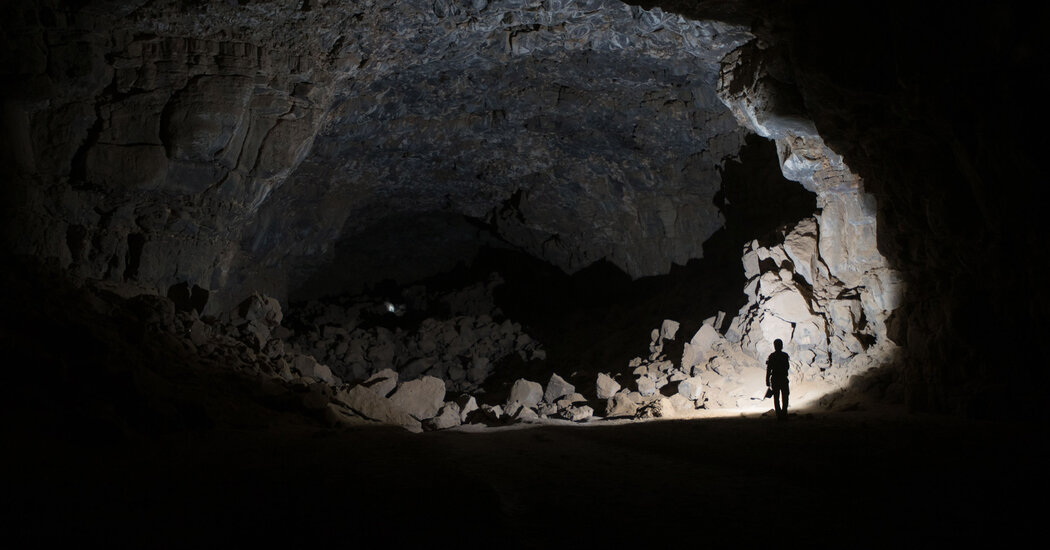
This Lava Tube in Saudi Arabia Has Been a Human Refuge for 7,000 Years

Four Wild Ways to Save the Koala (That Just Might Work)
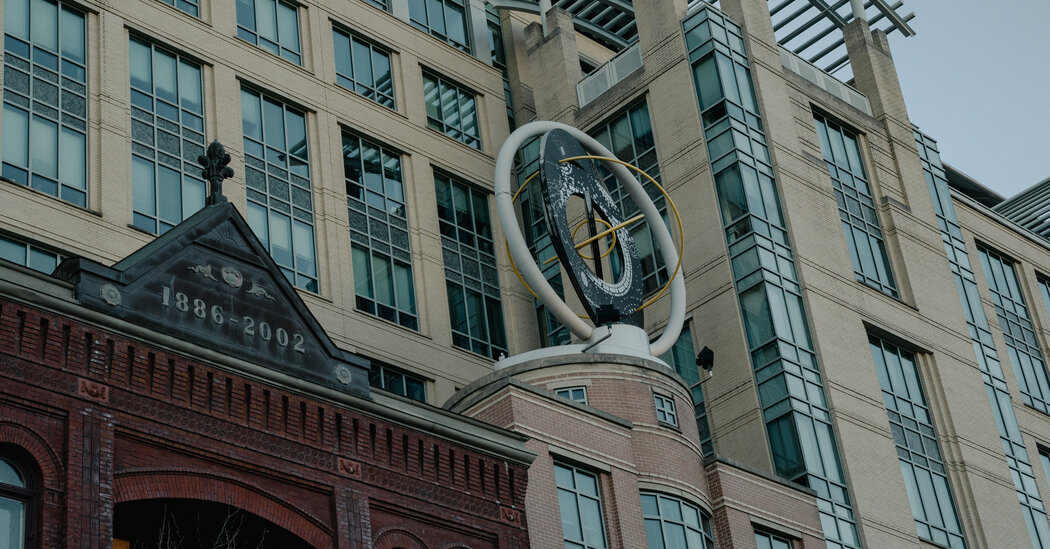
National Academy Asks Court to Strip Sackler Name From Endowment

Ways Industrial Copper Helps Energy Production

The Ins and Out of Industrial Conveyor Belts